Happily Ever After...
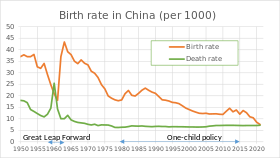
Nanfu was a woman who grew up in the era of the one-child policy in China. Her TED Talk was surrounded by the idea that there are no true perpetrators and victims when it comes to governmental regulations. She mentioned that sometimes there are people who we believe are perpetrators but are actually victims of propaganda control. Nanfu interviewed an 84-year-old midwife who was in charge of delivering all of the babies in her village, through the interview however she was informed of the abortions and sterilizations that this woman was forced to do due to her occupation. She continued by stating that she realized that everyone was affected by this policy and the line between perpetrator and victim was more blurred than she realized. She examines how the one-child policy influenced how she viewed her family and her childhood in China. She states that she was "embarrassed for having a little brother" because she grew up in a time where one-child families were the norm and she felt like an outsider.

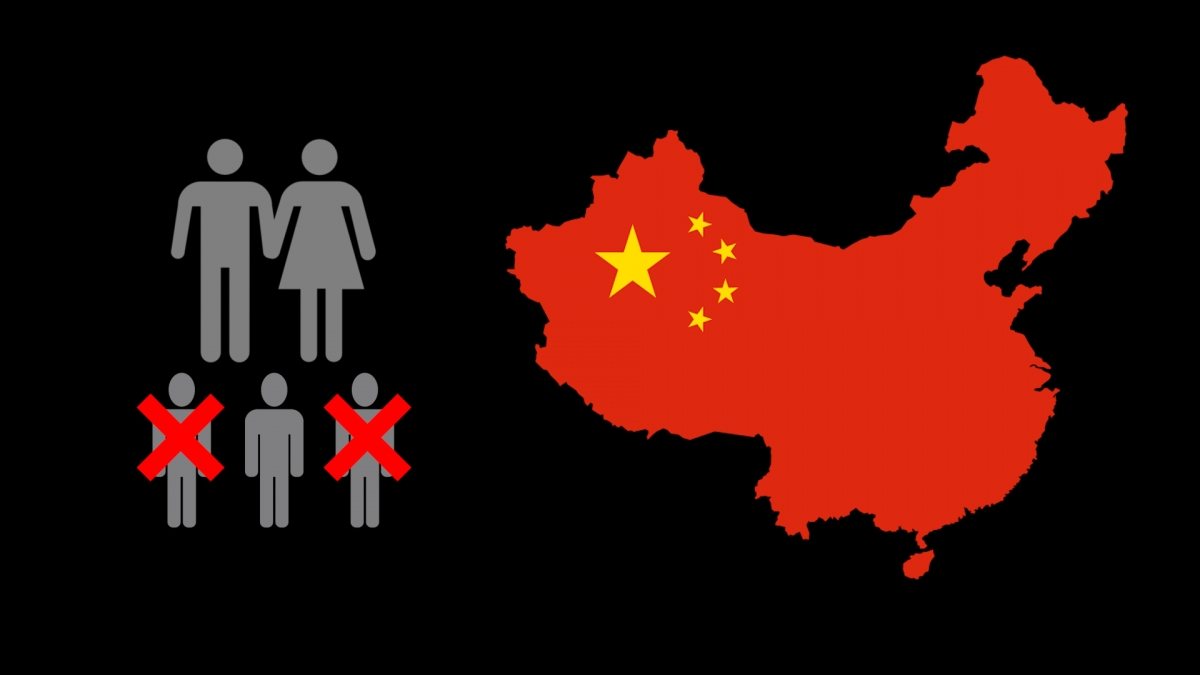
Nanfu uses political images and governmental propaganda to further her point that the one-child policy is cruel to all people in China, not just the Chinese families. She uses her own personal experience with this policy to connect herself with her topic and to provide the audience with a sense of her credibility on her issue. Nanfu believes that this policy is detrimental to the lives of the people in China for it limits their right to family and freedom. She also quotes statistics to further her argument and analyze how these numbers affect the everyday people of China, much like the people listening to her Talk.

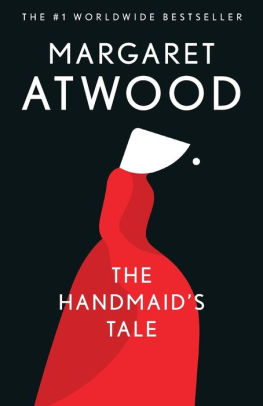
I picked this topic because I, for the first five years of my life, was an only child and then I had a little brother. I relate to the concept of family and gender roles placed upon us by society. In America, there are pretty obvious gender roles that society places on people. For example, it is normal for a man to be the sole "breadwinner" of the household and to carry out the family name, whereas women are expected to marry and produce and take care of their children. However, this idea of appearance is not always the reality for the people in America. There are many families with one parent households, many single people with no children, and many married couples with no children. This demonstrates how important family is to the production and well being of American society and how appearance vs. reality play a part in the lives of the American people. These ideas are also seen in books we've read such as "The Handmaid's Tale" by Margret Atwood and "Macbeth" by William Shakespeare.

The purpose of the TED Talk presentation is to inform all people about the consequences of governmental influence on the personal lives of its citizens. Nanfu is communicating the detrimental backlash that propaganda and governmental restrictions can have on people's lives both physically and emotionally. The forceful nature of sterilizing women and aborting their children after their first is traumatic to these families, it also forces shame upon said families for wanting to grow their families outside of one child. Nanfu hopes that with this Talk she can convince her audience to ask questions about why certain policies are put into place as well as demand basic freedoms like family from their perpetrators.
The speaker of this Talk has expertise on her topic because she lived through it. She dealt with the same associated with having a brother and her parents having multiple children, she saw the propaganda from the government that demonized families with multiple children and that is what makes her a credible source of information. We as the audience should believe and listen to her testimony because of how close she was to the situation and how passionate she was regarding said topic. Nanfu has phronesis meaning wisdom of her topic, arete which is the moral integrity of her argument which she possesses because she is anti restrictions on families, and she has euonia which is an established goodwill with her audience which she creates through her personal testimony of the horrors of the Chinese one-child policy.

The most significant statistic mentioned in this Talk was from the woman Nanfu interviewed. The woman said she performed over 60,000 forced abortions and sterilizations of the women in her Chinese village. The bias associated with this statistic and the speaker's connection to it comes from the fact that Nanfu's mother was almost forced to be another one of the 60,000 plus women who was sterilized in China. This bias may affect her argument when considering other statistics like the actual population of China and the number of women that make up this population. Besides all of that the speaker's argument is sound in stating the sheer mass of women who's freedom is taken from them via the Chinese government. This statistic was placed towards the beginning of her talk and acted as some fuel to her argument when discussing the repercussions of the Chinese government's involvement in the personal lives of its citizens.

Nanfu uses words such as "shock", "strong", "victim", and "threats" to evoke certain specific emotion's from her audience. These emotions are shock, grateful, and reflective. She tugs at these specific emotions from the audience in an attempt to make them feel thankful for the situation and understand a possible other scenarios that they could be living in. For this topic, emotion is a valuable and effective strategy for furthering the speaker's claim in her argument. Nanfu specifically uses personal anecdotes to connect with her audience and evoke feelings of empathy and sympathy from her audience.
In conclusion Nanfu uses ethos, logos, and pathos to further her argument and connect with her audience.

Morrigan- I think that this blog was very good and you had a thorough analysis of the Ted Talk you chose! I thought it was interesting how you connected her story back to two texts we've read in class but to make it stronger you could've explained why they're similar. Another small thing is that we are supposed to cite the pictures. I thought the analysis was good though and it was all very purposeful. Your explanations for pathos, logos, and ethos were good and it was also beneficial to include other techniques like themes, anecdotes, and "testimonial." Overall, good job!
ReplyDeleteHey Morrigan! I enjoyed reading your blog because it was really insightful and interesting. You included a great background and understanding of the Ted Talk, which made it really clear and easy to understand. Your techniques of propaganda and political images was a great idea to get your point across. I think it's cool that you also included statistics to further your argument. I also liked how you used a good description of choice word, pathos, logos, and ethos. Overall- great job!
ReplyDeleteHi Morrigan! I really enjoyed reading your blog post and thought that your analysis was very articulate. You did a great job thoroughly developing your analysis of rhetorical devices and the effectiveness of Nanfu's argument. I also thought that your connection to both "Macbeth" and "The Handmaid's Tale" was very strong and linked well to your analysis. Overall, great job!
ReplyDeleteHey Morrigan! I really enjoyed reading this blog and think you did a great job! I like that you went beyond just analysis and fully connected this topic to your life, because blogs are personal. It also helped me as a reader to connect more to the topic. I would just make sure to cite pictures in the future. Great job again!
ReplyDeleteHi Morrigan!! I really enjoyed reading your blog post. I think you did a really good job analyzing and describing the techniques that were used in the TED talk you chose. In the future I would include captions on the pictures you put in your post and to cite them. Overall I think you did a great job with analysis and evaluating the effectiveness of the techniques. Nice job!
ReplyDeleteHey Morrigan-
ReplyDeleteFun post to read- great connections and interpretations. You do a really nice job of leading your reader through your argument and analysis. I'd love some more specific examples here- you make great points, but I want to know what exactly from the talk helped you reach your understanding(s). If thinking about this suggestion with regards to Paper 1 or Paper 2, you need to show that you have actually read the texts - you need to refer to examples / illustrations from within the text to support your ideas. See below for further feedback from the blog post rubric.
- Postings provide comprehensive insight, understanding, and reflective thought about the topic (4)
- Postings present a specific viewpoint that is substantiated by supporting examples (3)
- Postings are generally well written with some attempts made to stimulate dialogue and commentary (3)
- Postings are written in a style that is appealing and appropriate for the intended audience and a consistent voice is evident throughout (4)
- Postings reflect a bit of the author’s personality through word choices that attempt to bring the topic to life (3)
- All images, media and text created by others display appropriate copyright permissions and accurate citations (4)
- Written responses are largely free of grammatical, spelling or punctuation errors. The style of writing generally facilitates communication (3)
24/28