I hope I CHAIR up soon :)
Original: Als Gregor Samsa eines Morgens aus unruhigen Träumen erwachte, fand er sich in seinem Bett zu einem ungeheuren Ungeziefer verwandelt.

(Image 1)
Translations:
#1:Gregory Samsa woke from uneasy dreams one morning to find himself changed into a giant bug.
This translation uses words such as "uneasy" to communicate feelings of trouble or discomfort to the audience. The dictionary definition of the word "uneasy" says much of the same thing, "an uncomfortable feeling." Both of these definitions both connotative and denotative work collectively to communicate a similar point to the reader. The syntax of this translation incorporates the use of the character's name as the intro to the quote. While providing the reader with some much-needed detail about who this experience is happening to it also creates a division between the story and the reader because it does not leave as much for the reader to interpret about the character and the situation they are in. This quote also uses words such as "giant" and "bug" which differ from other translations below. These words do not provide as much detail to the bug or the size of it, whereas words such as "enormous" or "vermin" envoke a much more disgusted emotion from the reader. The lack of punctuation also affects the structure of this translation because it does not communicate as clearly the storytelling aspect of this quote. Therefore the structure is fairly baseline and could use more detail. The overall imagery and detail in this translation are lacking, it does not give a clear setting to the reader due to the lack of time and place. This translation much like the ones below uses the plural of the word dream to insinuate that the dreams being referred to are not the first of their kind. This stylistic element communicates to the reader a past timeline that we are not yet aware of.
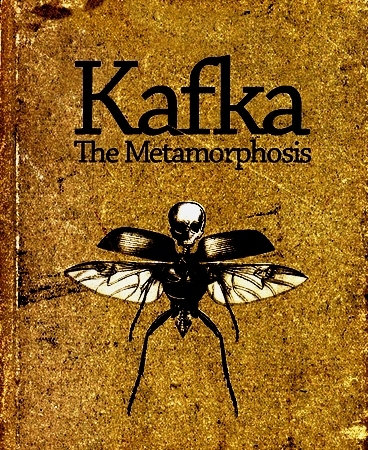
(Image 2)
#2:When Gregor Samsa awoke from troubled dreams one morning he found he had been transformed in his bed into an enormous bug.
(Image 2)
#2:When Gregor Samsa awoke from troubled dreams one morning he found he had been transformed in his bed into an enormous bug.
For this translation, the quote uses the word "troubled" instead of uneasy. This connotative definition communicates a feeling of internal conflict in the character. The denotative definition of the word "troubled" is "a feeling of distress or difficulty." Both of these definitions communicate the same thought to the reader which is that the character is indeed conflicted with the dreams they are having and the effect they are having on their lives. The syntax of this translation uses the word "awoke" whereas the previous translation used the phrase "woke from." This communicates to the audience a more abrupt disruption of the character's consciousness whereas the previous translation was not as distinct. This translation also uses the words "enormous" instead of the above translation which uses the word "big." Enormous creates a more obvious size to the bug in the quote whereas "big" is not as grandiose and can be left for interpretation. Contrary to the first translation this quote does not state the character's name as the opening words to the sentence and similarly to the above quote there is no punctuation aiding in a clear structure to the quote. The use of imagery and detail is more present in this quote through the change in vocabulary as well as a more clear inclusion of the time and place regarding the setting. The structure of this translation follows a more linear approach wherein, there is rising action and a climax but no real resolution. The authorial choice to include the use of repetition also communicates to the reader a more dimensional character for them to follow. The repetition of the word "he" provides this much-needed clarity to who the character is.

(Image 3)
#3:As Gregor Samsa awoke one morning from uneasy dreams he found himself transformed in his bed into a gigantic insect.
This translation uses the term "uneasy" instead of other words previously used such as troubled. This connotative definition and denotative definition remain the same from translation one wherein they work together to create an atmosphere of the unknown for the character. The syntax of this translation uses phrases such as "one morning" instead of "the morning" or just "morning" to communicate to the reader that this event is not happening in the present and that it acts as more of a flashback. This aids in the storytelling structure of the story as a whole. This translation also uses words like "gigantic" instead of "big" or "enormous, "transformed" instead of "changed" and "insect" instead of "bug" to further communicate to the reader the sheer magnitude that this event has had on the character. Similarly to the second translation, the character's name does not appear as the first word in the sentence so while that is different from the first translation it still provides the reader with a certain amount of clarity regarding the character. Much like the first two translations as well, this one lacks punctuation. The lack of punctuation communicates a sense of "stream of thought" from the character and less like this is them recounting a past event. The level of detail in this quote matches that of the second in regards to the inclusion of a semi-detailed setting and a more powerful image of the monster that this character has turned into. This translation uses the third person point of view as a way to communicate information to the audience without necessarily having the character know the same amount of information. This creates a bond between the author and reader while simultaneously creating a division between reader and character.

(Image 4)
#4:One morning, upon awakening from agitated dreams, Gregor Samsa found himself, in his bed, transformed into a monstrous vermin.
This translation incorporates the word "agitated" which creates an atmosphere of anxiety and discomfort. The denotative definition of this word is "a feeling of being physically disturbed." These definitions while different envoke the same effect on the reader in regards to how the character is feeling. The syntax of this translation differs the most from the above three in regards to punctuation, word choice, and word order. This translation has utilized punctuation as a way to create a more chronological structure to the events unfolding which allows the reader to follow with ease. Second, this quote chose words such as "awakening", "agitated", "monstrous", and "vermin" to communicate more detail to the reader regarding how the character is feeling about his new reality. Third, this quote places the character's name towards the middle of the sentence as a way to maintain some unification between the reader and the character. By not using the characters name at the beginning the reader can imagine themselves as the character and the use of the adverbs allow the reader to feel like they are the ones completing the tasks of waking up, having bad dreams, realizing they are a bug etc. Imagery and detail are included more directly in this translation through the adjectives chosen. This part of the translation is where the fourth translation differs from all the others.

The word choice affects the meaning of each translation because it communicates a certain level of severity or importance. The inclusion of adjectives and elevated language evokes a different emotion from the reader than a more baseline translation with no flair. The syntax of each translation allow the translator to be in control of what information the reader gets to become privy to. This includes the description of the setting and the monstrosity of the bug transformation. Punctuation affects the overall structure of the translations as well as the way in which the reader processes the information. The fourth translation was easier for me to process personally because it told me when to think about one thing and then when to think about another and the order in which these events needed to be stored in my brain. The use of imagery and detail or lack thereof decided how much knowledge the reader had to interpret. More detail allowed for a more clear picture of what was going on whereas less detailed had the opposite effect. Ultimately, I think word choice has the biggest impact on a translation because the use of some words either dims or enhances the purpose of the author's point. In terms of translations, I believe that the fourth translation did the best at incorporating all of these aspects effectively and coherently.

(Image 6)
This exercise shows how hard it is to translate works of literature while maintaining the author's initial intent and not using bias to determine what words should be used and in what order. Attempting to maintain accuracy and precision of the work when translating it into a different language also comes with its difficulties like trying to maintain a certain level of grammatical correctness. Translations affect the tone of sentences through the use of devices mentioned in the above paragraph. How the reader feels is decided by how the author chooses to communicate their purpose to their intended audience. The connotations and denotations of certain words can distort or aid the author's purpose of a specific work. Ultimately, the author's choices allow them to connect with their reader and build a bond between them and their work.
This exercise shows how hard it is to translate works of literature while maintaining the author's initial intent and not using bias to determine what words should be used and in what order. Attempting to maintain accuracy and precision of the work when translating it into a different language also comes with its difficulties like trying to maintain a certain level of grammatical correctness. Translations affect the tone of sentences through the use of devices mentioned in the above paragraph. How the reader feels is decided by how the author chooses to communicate their purpose to their intended audience. The connotations and denotations of certain words can distort or aid the author's purpose of a specific work. Ultimately, the author's choices allow them to connect with their reader and build a bond between them and their work.


Morrigan- I really liked your blog post! I came up with a similar conclusion as you did, that translations are difficult because one wants to maintain the intent of the author but since it's in another language it's hard to know what their intent really was. It's clear through your analysis that word choice can really affect the meaning of the passage to the readers which is an important point to make! Overall, good job:)
ReplyDeleteHiii!!! I am in love with your blog! First off you formatting is IMPECCABLE and those pictures, WOW!! Your analysis of each translation showed how you truly viewed each one and what they were trying to convey. I liked how you fully explained each point and showed the reasoning behind them. I also really liked how you even stated how you understood the fourth translation better than the most. It was such a great blog!!
ReplyDeletehey morrigan
ReplyDeletei love this post!! i think you did a really great job analyzing the syntax, diction, tone, etc in each of the individual translations and i also really liked how you included the book covers of each of the translations. your post was very easy to follow and understand so overall really nice job!!
Hey Morrigan! Wow, your blog was really good! I loved following through with pictures and in-depth descriptions that showed exactly your train of thought really well! I really enjoyed reading and liked how you conveyed your ideas through your awesome analysis! Nice job!!!
ReplyDeleteHi, Morrigan! I think you did a fabulous job with this post. You went so deeply into your analysis of each of the translations, and I particularly liked your comment about the timeline or establishing of the dreams as happening before. You did a great job diving into each part of the translation and recognizing the implications of translation as a whole across literature. Keep up the great work!
ReplyDeleteMorrigan, I really liked readiong your blog post. I thought that you did a good job with your analysis of the quotes and I appreciated the way you formatted this blog post . I liked how easy it was to follow what you were saying, great job!
ReplyDeleteHey Morrigan!! You did such a good job on this post. It was really easy to read, follow and understand. I could also really tell that you dedicated a lot of time to each analysis as they were very detailed and under the surface. Overall, great job!!
ReplyDelete